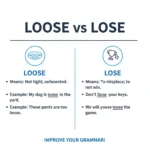
Do you know the difference between will and trust? 🤔
Many people mix them up, especially when talking about what happens to someone’s belongings after they pass away. Both words deal with plans and responsibility, but they’re not the same.
This simple guide will help you understand what will and trust mean, how they are used, and when to choose the correct word. With clear examples, comparisons, and memory tricks, even beginners can master the difference between will or trust easily. 🌷
Let’s begin by understanding what each word means and how to use it in real life.
📚 What Does Each Word Mean?
💌 What Does “Will” Mean?
A will is a legal document that tells what should happen to someone’s money, house, or things after they die. It also says who will get them.
It’s like a written letter of wishes for the future. ✍️
Part of Speech: Noun (sometimes verb, but here we focus on the noun).
Simple Meaning: A paper that explains who gets what after a person’s death.
Examples:
- My grandfather wrote a will before he passed away.
- The will said that his house would go to my mother.
- Without a will, the court decides who gets the property.
💡 Memory Tip: Think of will as “I will give this to you later.”
🏦 What Does “Trust” Mean?
A trust is a legal arrangement where one person (called the trustee) keeps and manages property or money for someone else (called the beneficiary).
It’s like giving someone the job of taking care of your things until the right time. 🌼
Part of Speech: Noun (also a verb, but here we focus on the noun).
Simple Meaning: An arrangement where someone holds or manages property for another person.
Examples:
- Her parents set up a trust for her college fund.
- The trust will pay him money every year.
- A lawyer helps manage the trust for the family.
💡 Memory Tip: Think of trust as “trusting someone to handle things for you.”
⚖️ The Key Difference Between “Will” and “Trust”
Both will and trust deal with what happens to a person’s property, but they work differently.
A will goes into action after death, while a trust can work while you’re alive or after death.
Here’s a clear comparison:
| 🔍 Feature | Will | Trust |
|---|---|---|
| Meaning | A legal paper that shares how your things are given after death. | A legal setup where someone manages property or money for others. |
| When It Works | After death. | During life and after death. |
| Control | Controlled by the court (probate). | Managed privately by a trustee. |
| Speed | Slower — goes through court. | Faster — avoids court. |
| Privacy | Public document. | Private arrangement. |
| Example | “I leave my car to my son in my will.” | “The money is held in a trust for my daughter.” |
💡 Quick Tip to Remember:
If you want to decide what happens later, think will.
If you want someone to manage things for you, think trust.

🚫 Common Mistakes and How to Avoid Them
Here are some common mix-ups people make with will and trust — and how to fix them!
❌ Wrong: I made a trust to give away my jewelry after I die.
✅ Correct: I made a will to give away my jewelry after I die.
📝 Why? A trust usually manages property while you’re alive; a will gives it away after death.
❌ Wrong: My parents wrote a will to manage my school fund.
✅ Correct: My parents created a trust to manage my school fund.
📝 Why? A trust manages money or assets for someone.
✍️ When to Use “Will”
Use will when you want to say what happens after death.
It’s also used when you want to leave gifts, money, or property to someone.
Examples:
- I wrote a will to leave my books to my niece.
- The lawyer helped us update our will.
- Without a will, there can be family arguments.
- My aunt’s will says her jewelry goes to charity.
- It’s smart to write a will when you own property.
💡 Memory Hack: Think of “will” as your final wishes for the future.
💼 When to Use “Trust”
Use trust when someone (called a trustee) manages money or property for others.
It can start now and continue even after someone’s death.
Examples:
- They created a trust for their children’s education.
- The trust pays monthly bills for the family.
- She is the trustee of her father’s trust.
- The lawyer oversees the trust.
- You can build a trust to protect your assets.
💡 Visual Trick: Imagine handing your treasure chest 🧰 to a person you “trust” to keep it safe.
🔁 Quick Recap: Will vs Trust
- Will: Explains who gets your things after you pass away.
- Trust: Lets someone manage your things now or later.
- Will = Wishes for the future.
- Trust = Control during life and after.
- Will = Goes through court.
- Trust = Private and managed by a trustee.
✅ Easy Tip:
If you can say “I trust you to handle it,” it’s a trust.
If you’re talking about what happens when you’re gone, it’s a will.
🧩 Advanced Tips
- The word will comes from Old English “willan,” meaning “wish or desire.”
- The word trust comes from Old Norse “traust,” meaning “confidence or faith.”
- In formal writing, a will is always signed and witnessed.
- A trust is usually made with help from a lawyer and can save time and taxes.
- In exams or essays, explain the two by focusing on timing — will = after death, trust = during life and after.
💡 Bonus Grammar Note:
Both are nouns, but “trust” can also be a verb (e.g., I trust you), while “will” can be a verb meaning future action (e.g., I will go).
📝 Mini Quiz: Test Your Understanding!
Fill in the blanks with will or trust 👇
- My parents created a _______ to manage my college fund.
- He wrote a _______ to give his books to his grandson.
- Without a _______, the court decides who gets the house.
- The _______ gives money every month for my education.
- She set up a _______ to take care of her pets.
(Answers: 1. trust, 2. will, 3. will, 4. trust, 5. trust)
🌟 Conclusion
Now you know the clear difference between will and trust! 🎉
A will tells what happens to your belongings after death, while a trust helps manage them during life or later.
Both are important tools to protect what you own and take care of the people you love. ❤️
Keep practicing, use simple examples, and soon you’ll never confuse will or trust again.
Learning small grammar and word differences makes your English stronger every day! 🌿
💬 FAQs
1. What is the main difference between will and trust?
A will works after death, while a trust can start while you’re alive.
2. Which is better: a will or a trust?
It depends. A trust offers more privacy and control, while a will is simpler and easier to create.
3. Can I have both a will and a trust?
Yes, many people have both — a trust for managing assets and a will for final wishes.
4. Do I need a lawyer to make a will or trust?
You can write a basic will yourself, but a trust often needs legal help.
5. Are will and trust verbs too?
Yes! Will can mean “to intend or decide to do something,” and trust means “to believe or rely on someone.”

Kael Donovan is a language enthusiast and writer at Definevs.com, simplifying complex words and grammar rules into fun, easy-to-understand guides for readers.