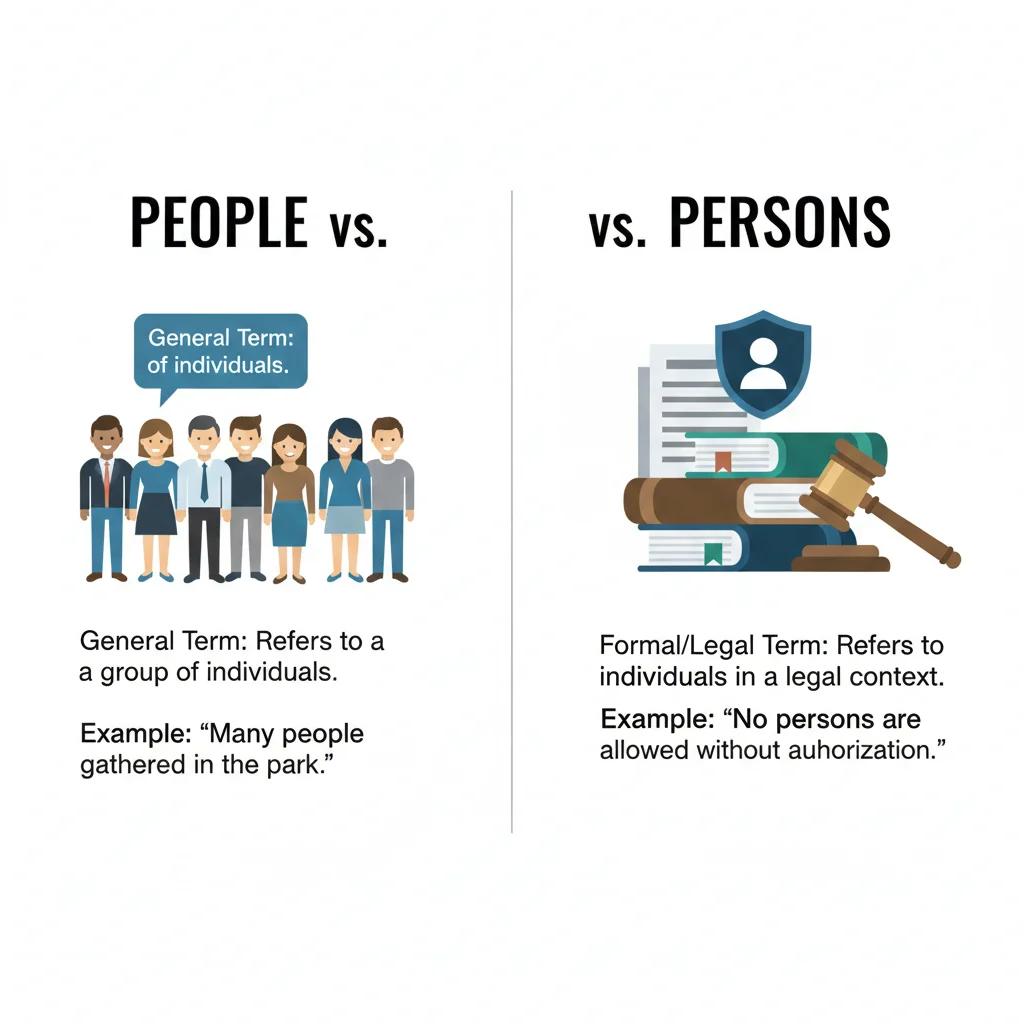
People is the most common plural of person and is used in everyday English.
Persons is a formal, legal, or official plural used when counting individuals precisely.
Examples:
- ✅ There are 5 people in the room.
- ✅ The form must be signed by two persons.
People search people vs persons because both sound correct, yet native speakers use them differently. This guide clears that confusion fast.
Have you ever paused while writing and wondered, Should I write people or persons? You are not alone. This is one of the most common English grammar questions asked by students, writers, bloggers, and even professionals. The confusion exists because both words are grammatically correct, but they are not always interchangeable.
People want a quick answer because they fear sounding unprofessional or incorrect. A small word choice can change tone, clarity, and even legal meaning. Search terms like people vs persons meaning, is persons correct, and 40 people or 40 persons show real confusion.
This article solves that problem clearly. You will learn when to use people, when persons is better, and why English even has two plurals. The explanations are simple, practical, and based on real usage—emails, news, legal text, and daily conversation. By the end, you will never hesitate again.
The Origin of People vs Persons
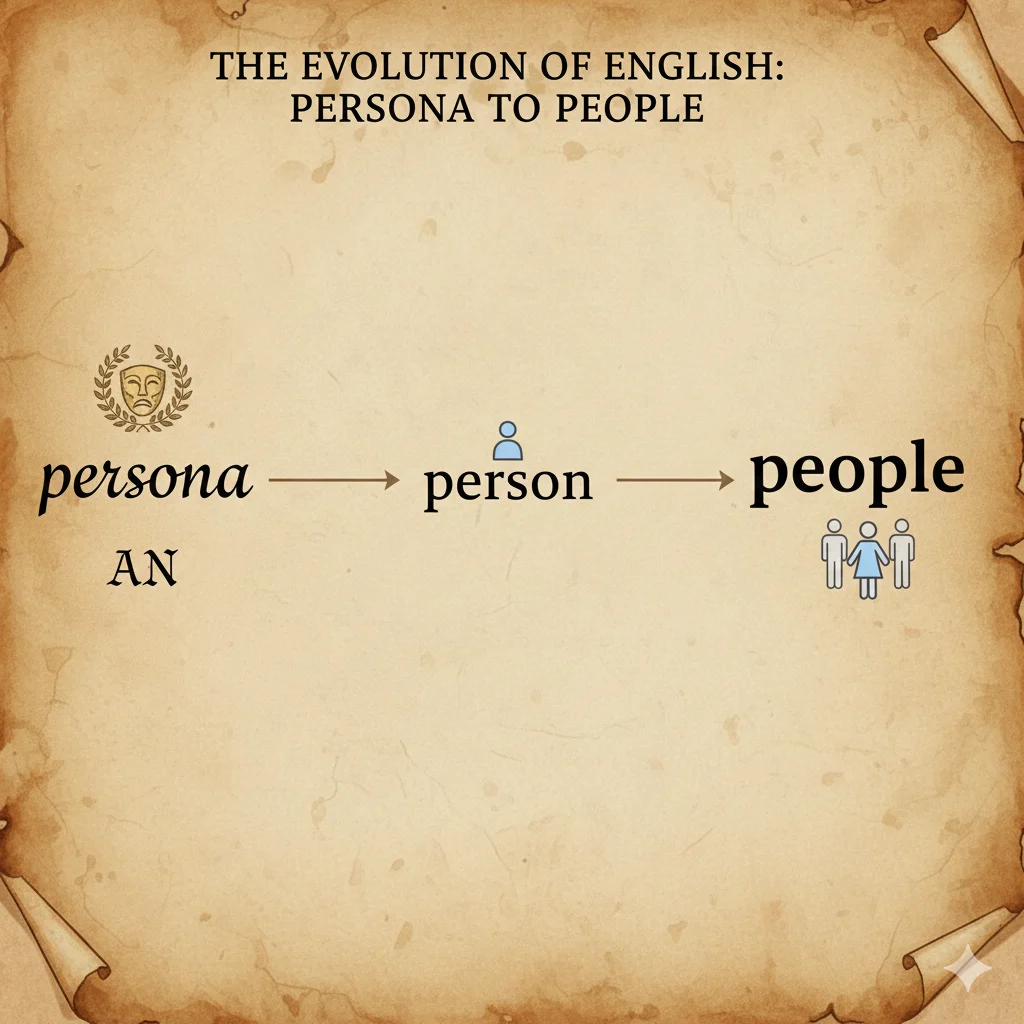
The word person comes from Latin persona, meaning a character or individual. Its early plural form was persons, which English borrowed directly.
People, however, came from Old French pople and Latin populus, meaning a group or community. Over time, English speakers preferred people because it felt smoother and more natural in speech.
That is why today:
- Persons survived in law, rules, and signs.
- People became dominant in everyday language.
The spelling difference exists because English evolved from multiple languages, not from logic. Both forms stayed, but their usage separated by context and tone.
British English vs American English Usage
Both British and American English follow the same core rule, but usage frequency differs.
| Context | British English | American English |
|---|---|---|
| Daily conversation | People | People |
| News & media | People | People |
| Legal writing | Persons | Persons |
| Signs & rules | Persons | Persons |
| Formal notices | Persons (rare) | Persons (rare) |
Key point:
There is no spelling difference, only a usage preference.
one’s vs ones 👀 This Tiny Grammar Choice Matters More3
Which Should You Use?
Your audience decides the correct word.
- Use people if:
- You are writing blogs, emails, social posts, stories
- You want natural, friendly English
- You are speaking casually
- Use persons if:
- You are writing legal or official text
- You are counting individuals precisely
- You see it in fixed phrases like “persons unknown”
Global English tip:
If unsure, choose people. It is always safe.
Common Mistakes with People vs Persons
Many learners overthink this rule.
❌ There are 3 persons in my family.
✅ There are 3 people in my family.
❌ The bus can carry 50 peoples.
✅ The bus can carry 50 people.
❌ Two person are missing.
✅ Two people are missing.
Correction rule:
- Never use peoples unless you mean different nations or ethnic groups.
People vs Persons in Everyday Examples
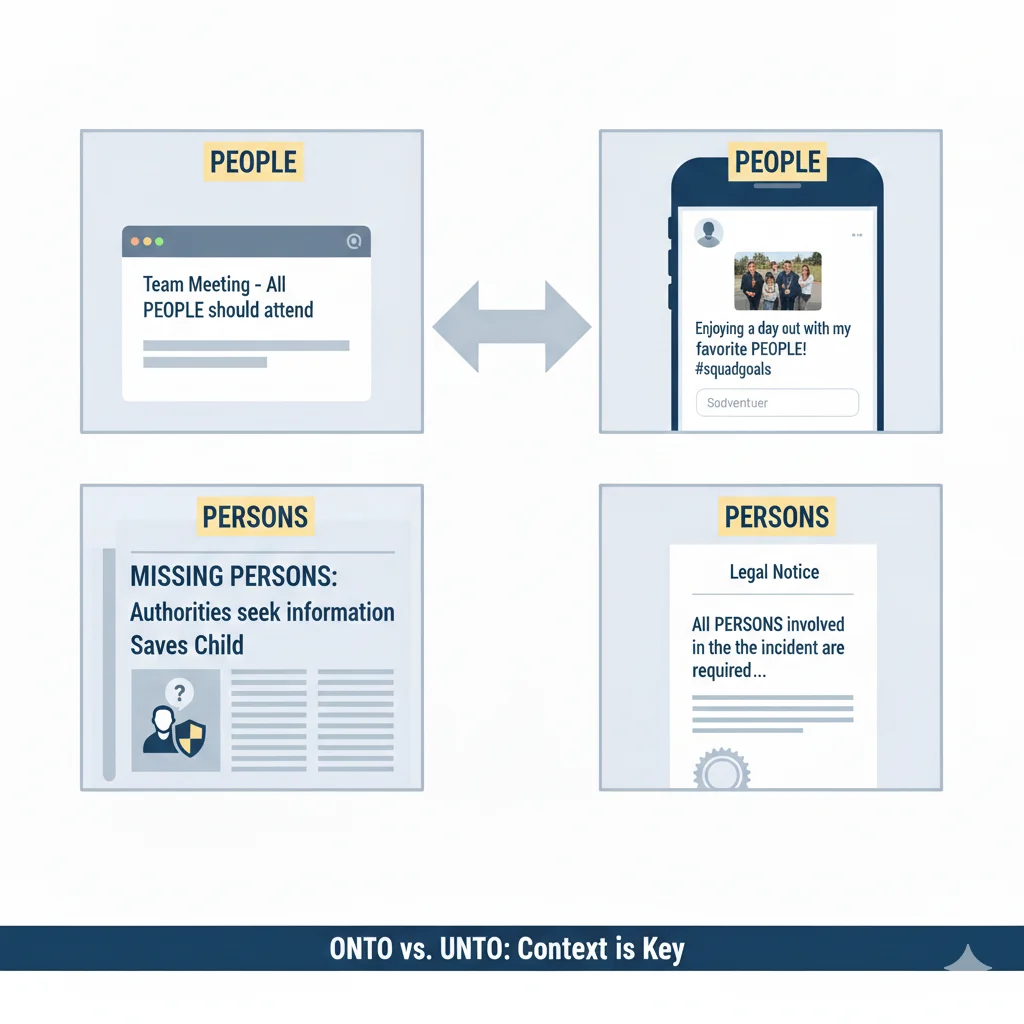
Emails:
- Hi, three people will attend the meeting.
News:
- Police arrested two persons for questioning.
Social media:
- I met amazing people today!
Formal writing:
- This permit allows entry for five persons.
People vs Persons – Google Trends & Usage Data
Search data shows:
- People is searched and used far more often worldwide.
- Persons spikes in:
- Legal searches
- Immigration forms
- Government rules
By country:
- US, UK, Canada, Australia → heavy people usage
- Legal documents globally → persons
This proves real-world preference, not just grammar rules.
Onto vs Unto 👀 The Subtle Difference Most Miss
Comparison Table: People vs Persons vs Peoples
| Word | Meaning | Usage |
|---|---|---|
| People | General plural of person | Daily English |
| Persons | Formal plural of person | Legal, official |
| Peoples | Different groups or nations | Academic, cultural |
FAQs – People vs Persons
When should I use persons vs people?
Use people in normal writing. Use persons in legal or formal contexts.
Do we say 3 people or 3 persons?
Say 3 people. 3 persons sounds formal and legal.
Is it 40 people or 40 persons?
Correct everyday usage is 40 people.
Is it 19 people or 19 persons?
19 people is correct in normal English.
Is persons correct English?
Yes, but it is formal and limited in use.
What is the difference between people and peoples?
People means individuals.
Peoples means different ethnic or national groups.
Can I say 2 person or persons?
Say 2 people, not 2 person.
People vs Persons Quiz (Quick Check)
Choose the correct option:
- Five ___ were invited. → People
- The form requires two ___. → Persons
- Many ___ love coffee. → People
Conclusion
Understanding people vs persons is easier than it looks. Both words are correct, but their tone and purpose differ. People is the natural, modern plural used in daily speech, writing, news, and online content. Persons is formal and survives mainly in legal, official, and rule-based language.
If your goal is clear communication, readability, and natural English, people is the right choice almost every time. Reserve persons for legal accuracy or fixed expressions where precision matters. This distinction helps you sound confident, professional, and fluent.
Remember: English is shaped by usage, not just rules. When in doubt, follow how real people speak and write today. That approach aligns with clarity, user intent, and modern language standards. Once you master this, you will never second-guess this choice again.

Arwen Blythe is a passionate language and culture enthusiast, crafting clear, engaging guides on words, phrases, and modern English for Definevs.com readers.