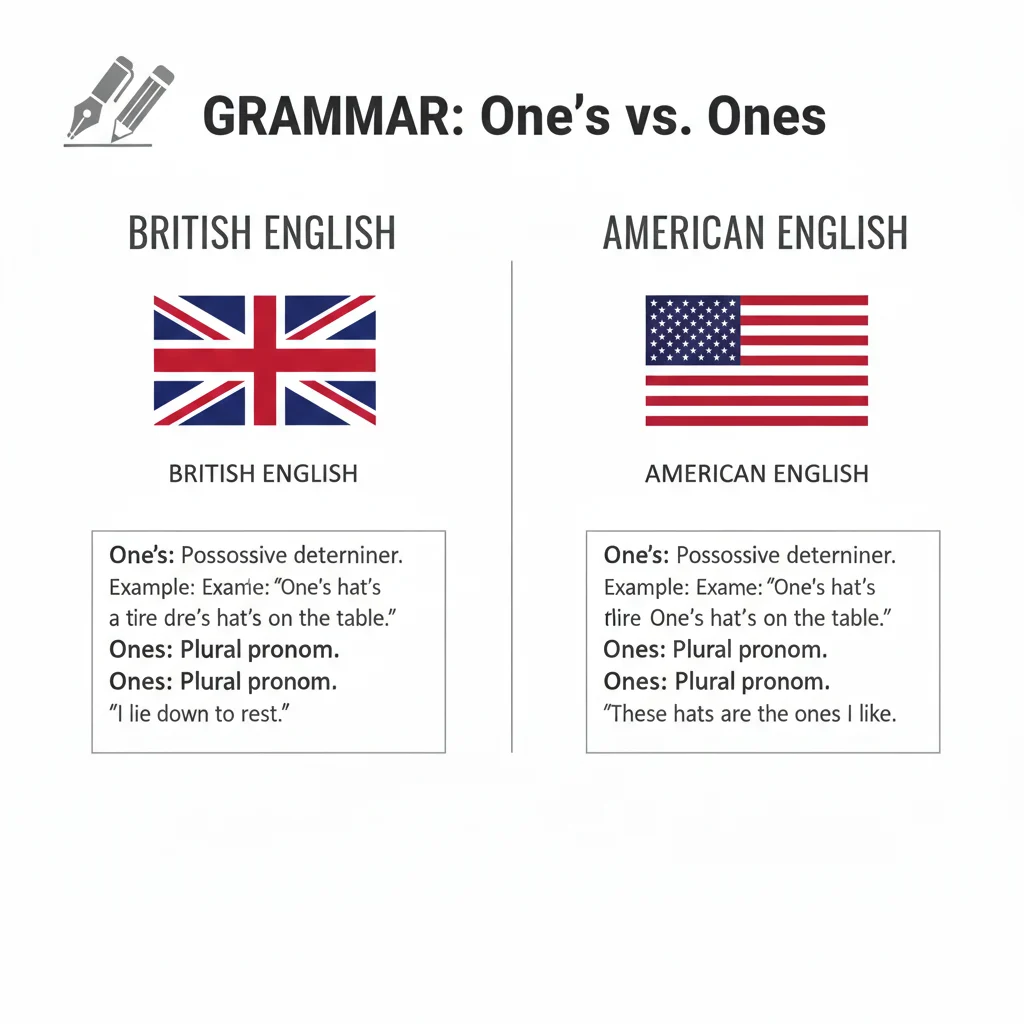
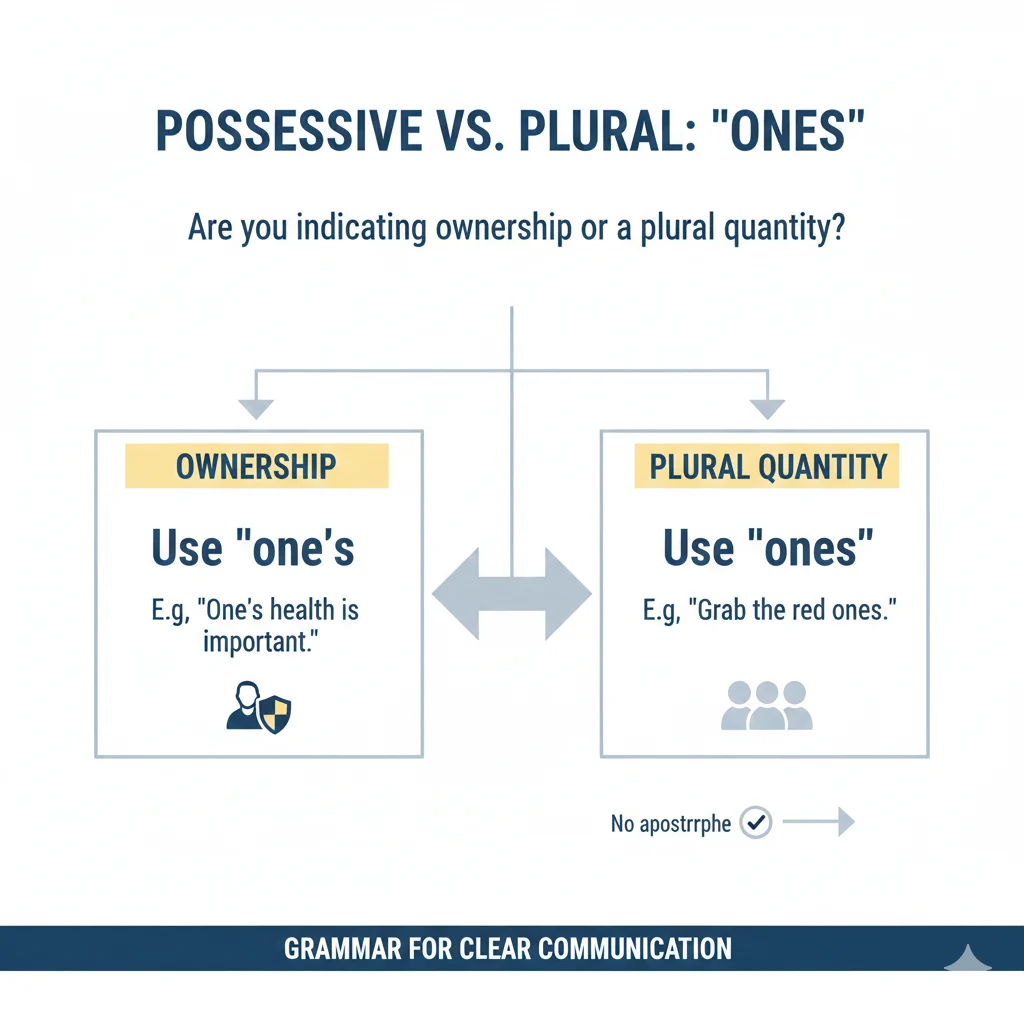
One’s is a possessive form of one. It shows ownership.
Ones is the plural form of one. It does not show possession.
Examples:
- One must follow one’s instincts.
- These shoes are better than the old ones.
Many English learners and even native speakers search for one’s vs ones because these words look almost the same but mean very different things. A single apostrophe changes everything. That small mark can turn a sentence from correct to confusing in seconds. People often wonder: Is it correct to say “ones”? or How to use one’s in a sentence? Others mix them up in emails, school writing, or social media posts.
This confusion happens because English uses apostrophes for possession, but not for plurals. When people see one’s, they think it might mean “more than one.” When they see ones, they think it might show ownership. Both ideas are wrong. This article clears that confusion once and for all.
Here, you will get a quick answer, clear rules, everyday examples, and professional advice. You will also see tables, FAQs, Google Trends insights, and common mistakes explained simply. By the end, you will know exactly when to use one’s and when to use ones, without guessing.
The Origin of One’s vs Ones
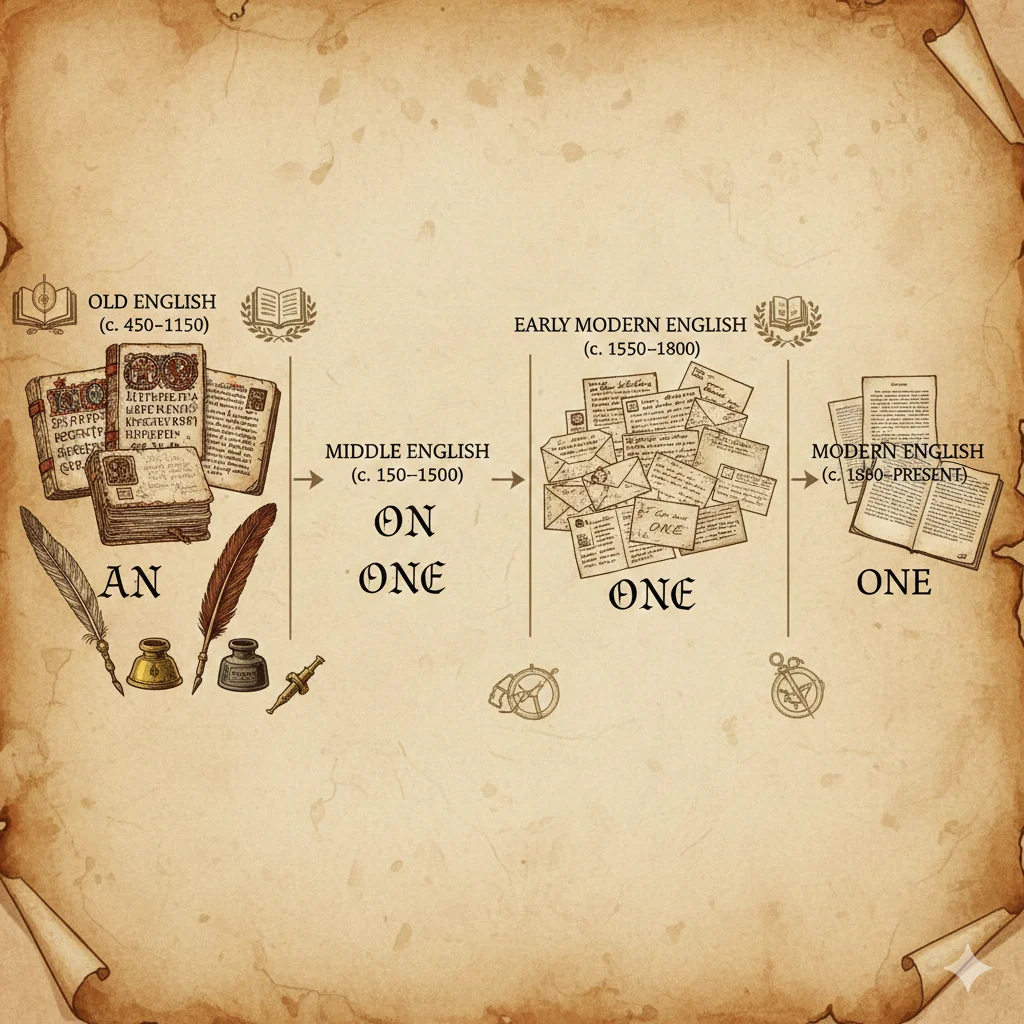
The word one comes from Old English ān, meaning single or alone. Over time, English created forms to show number and possession.
Ones developed as the plural form. It simply means “more than one.” No apostrophe was ever part of plural spelling.
One’s appeared later as a possessive pronoun. English uses apostrophe + s to show ownership. That rule applies here too.
Spelling differences exist because English borrowed rules from Latin, French, and Germanic languages. Apostrophes were added to show possession clearly in writing. Plurals stayed simple. That history explains why ones or ones possessive is a common question today.
British English vs American English Spelling
There is no spelling difference between British and American English for one’s vs ones. The rules are the same.
| Form | British English | American English | Meaning |
|---|---|---|---|
| one | one | one | singular |
| ones | ones | ones | plural |
| one’s | one’s | one’s | possessive |
Both styles agree on usage. Confusion comes from grammar, not region.
Lay vs Lie: The Wrong Word That Ruins Credibility 🚫
Which Spelling Should You Use?
Your choice depends on meaning, not audience.
- US audience: Follow standard grammar rules.
- UK or Commonwealth audience: Same rules apply.
- Global writing: Keep it simple and correct.
Use one’s only when showing ownership.
Use ones only when talking about more than one thing.
If you are unsure, rewrite the sentence. Often, using his, her, or their removes doubt.
Common Mistakes with One’s vs Ones
Many errors appear in daily writing.
Mistake 1: Using an apostrophe for plurals
- Which one’s are yours? ❌
- Which ones are yours? ✅
Mistake 2: Using ones for possession
- Respect ones values. ❌
- Respect one’s values. ✅
Mistake 3: Using no ones incorrectly
- No ones came to the meeting. ❌
- No one came to the meeting. ✅
These mistakes appear often in one’s vs ones quiz results and exams.
One’s vs Ones in Everyday Examples
Emails:
- Please submit one’s ID before entry.
- Choose the correct ones from the list.
News:
- Protecting one’s rights is essential.
- The best ones were selected.
Social media:
- Know one’s worth.
- Which ones should I buy?
Formal writing:
- One must follow one’s duty.
- These methods are better than older ones.
Loved ones or ones:
- She misses her loved ones.
This phrase uses ones because it is plural, not possessive.
Lose vs Loss 👀 Why One Word Sounds Right—but Isn’t
One’s vs Ones – Google Trends & Usage Data

Search data shows steady interest in one’s vs ones examples worldwide. The keyword is popular in the US, UK, India, and Canada. Students, writers, and ESL learners search it most.
Queries spike during exam seasons and school terms. Searches like Which ones or which ones and Is it correct to say “ones”? appear often. This shows real confusion, not rare mistakes.
Usage context matters. One’s appears more in formal writing. Ones appears more in speech, shopping, and casual writing.
Comparison Table: One’s vs Ones
| Feature | One’s | Ones |
|---|---|---|
| Type | Possessive | Plural |
| Apostrophe | Yes | No |
| Shows ownership | Yes | No |
| Example | one’s choice | which ones |
FAQs – One’s vs Ones
1. How to use one’s in a sentence?
Use it to show possession: One should know one’s limits.
2. Is it correct to say “ones”?
Yes. It is the plural of one.
3. What is the difference between ones and those?
Ones replaces a noun. Those points to specific items.
4. Is it Lucas’s or Lucas’s?
Both US and UK prefer Lucas’s for possession.
5. Can “ones” be possessive?
No. Only one’s is possessive.
6. Is “no ones” correct?
No. Use no one or none.
7. Are “one and ones examples” common in tests?
Yes. Exams often test this grammar pair.
Conclusion
Understanding one’s vs ones is easier than it seems. The difference depends on meaning, not spelling style or region. One’s always shows possession. Ones always shows plurality. The apostrophe is the key detail that changes everything.
Many people struggle because English breaks simple rules. Apostrophes do not make words plural, even when they look helpful. Once you remember that, most errors disappear. In formal writing, one’s appears more often. In daily speech and shopping talk, ones appears more.
If you ever feel unsure, replace the word. Try his, her, or their. If it fits, use one’s. If you mean “more than one,” use ones. This simple test works every time.
By following these rules and examples, you can write with confidence. Emails, essays, posts, and reports will all sound clear and professional. Grammar clarity builds trust, and small details like this matter more than people think.

Kael Donovan is a language enthusiast and writer at Definevs.com, simplifying complex words and grammar rules into fun, easy-to-understand guides for readers.