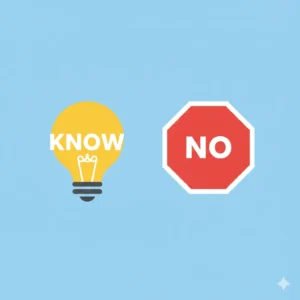
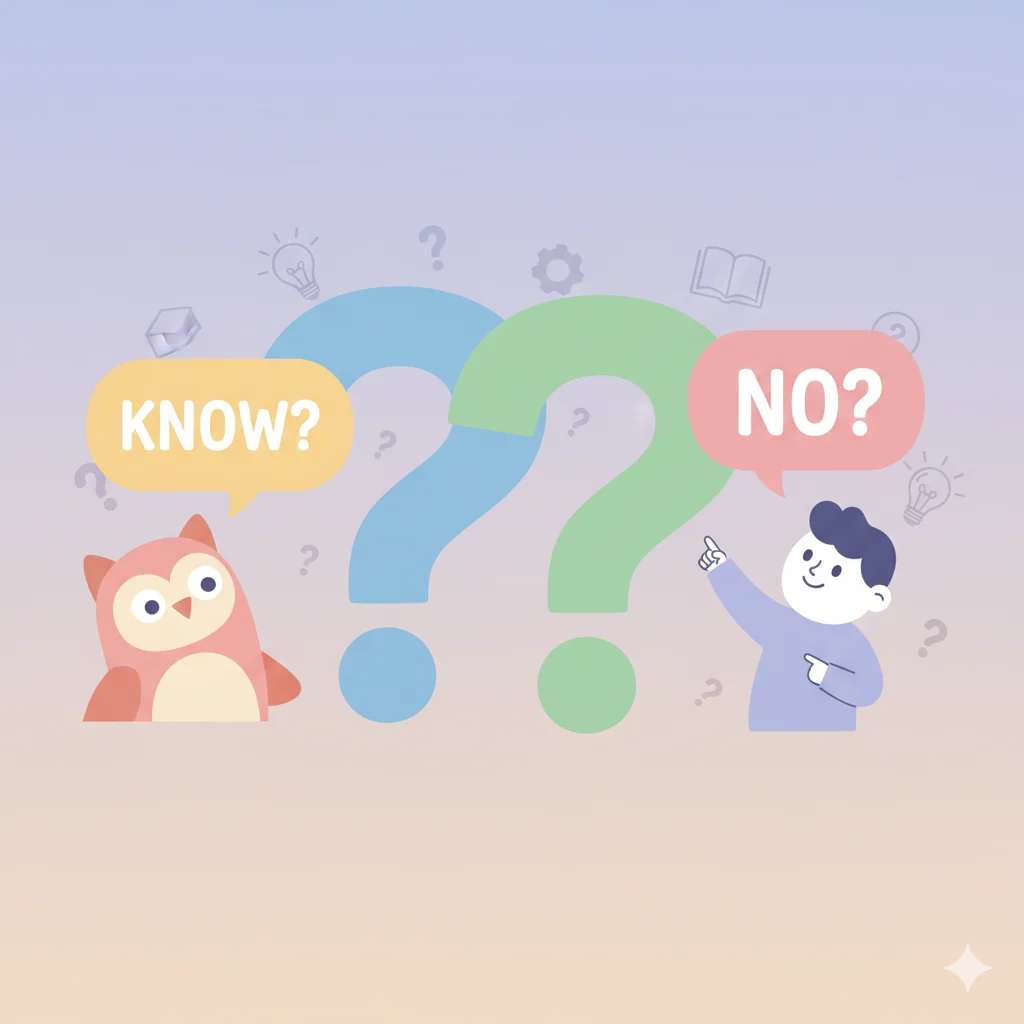
Know means to understand, recognize, or be aware of something.
No means not any, negative, or refusal.
Examples:
- I know the answer.
- No, I don’t agree.
This confusion exists because know and no are homophones—they sound the same but have different meanings, spelling, and grammar roles.
The confusion between know vs no is one of the most common English mistakes worldwide. People search for this keyword because both words sound identical but work very differently in sentences. A single wrong choice can completely change meaning, especially in emails, exams, social media posts, or professional writing. Learners often ask questions like “Is it I no or I know?” or “What is the difference between no and know?” because pronunciation gives no clues.
This article solves that confusion once and for all. You’ll get a quick answer, grammar rules, real-life examples, pronunciation clarity, usage advice for British and American English, and practical exercises. Whether you’re a student, writer, ESL learner, or professional, this guide ensures you never mix up know and no again.
The Origin of Know vs No
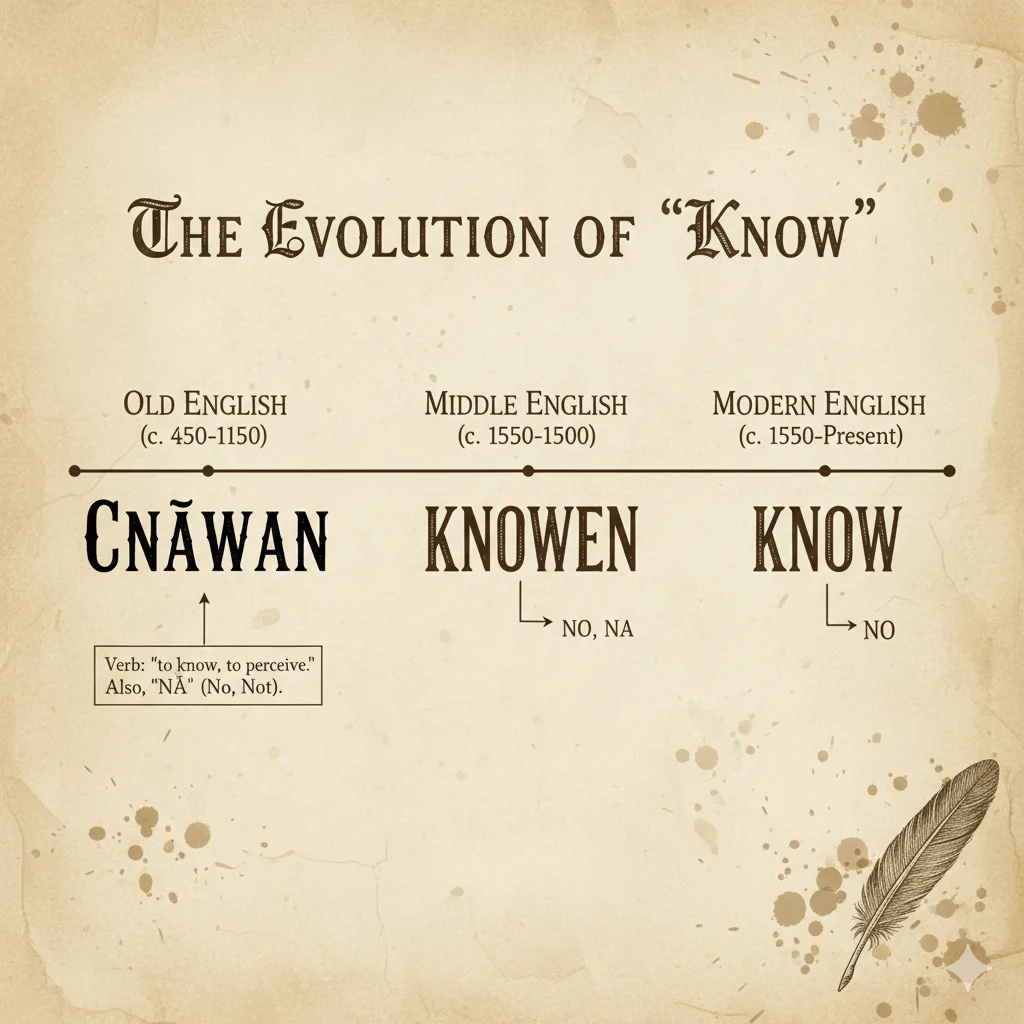
The word know comes from Old English cnāwan, meaning to perceive or understand. Over time, the silent k remained in spelling but disappeared in pronunciation, creating confusion.
The word no comes from Old English nā, meaning not any or negative response. Unlike know, it never carried a silent letter.
The spelling difference exists because English evolved from multiple languages—Old English, Norse, Latin, and French—while pronunciation simplified faster than spelling. This history explains why know vs no pronunciation sounds the same today, even though meanings differ.
British English vs American English Spelling
There is no spelling difference between British and American English for know vs no. Both follow the same rules, meanings, and pronunciation.
| Aspect | Know | No |
|---|---|---|
| British English | know = understand | no = negative |
| American English | know = understand | no = refusal |
| Pronunciation | /nəʊ/ | /nəʊ/ |
| Grammar Role | Verb | Determiner / Interjection |
This makes know and no homophones in all English varieties.
Buy vs By ❌ Why Most People Use It Wrong
Which Spelling Should You Use?

Use know when talking about understanding, awareness, facts, or familiarity.
Use no when giving a negative answer, refusal, or showing absence.
Audience advice:
- US audience: Follow standard grammar rules—same usage.
- UK/Commonwealth: No variation—context matters.
- Global English: Focus on sentence meaning, not sound.
Professional writing demands accuracy because confusing no and know meaning can damage clarity and credibility.
Common Mistakes with Know vs No
Many learners write “I no the answer” instead of “I know the answer.”
Another mistake is using know as a negative response:
❌ Know, I can’t attend.
✅ No, I can’t attend.
People also confuse know no and now, but now relates to time, not meaning or sound clarity.
Quick correction rule:
- If you can replace the word with understand, use know.
- If you can replace it with not any or nope, use no.
Know vs No in Everyday Examples

Emails:
- I know the deadline.
- No, the file wasn’t attached.
News:
- Experts know the risks.
- There is no evidence yet.
Social Media:
- I didn’t know this!
- No way that happened.
Formal Writing:
- Researchers know the cause.
- There is no alternative solution.
These know and no sentence examples show how grammar defines meaning instantly.
Know vs No – Google Trends & Usage Data
Search data shows know vs no grammar spikes during exam seasons and ESL learning periods. Countries with high English learners—India, Pakistan, Philippines, and Nigeria—frequently search know vs no sentences, know vs no exercises, and know vs no quiz queries.
Native English countries search this keyword mainly for writing accuracy and professional communication. This proves the confusion affects both learners and fluent speakers.
Desert vs Dessert 🍰 The Tiny Detail Most Miss
Comparison Table: Know vs No
| Feature | Know | No |
|---|---|---|
| Meaning | Understand or be aware | Negative or refusal |
| Part of Speech | Verb | Determiner / Interjection |
| Example | I know her | No, thank you |
| Can Show Action? | Yes | No |
| Homophone | Yes | Yes |
FAQs: Know vs No
1. What is the difference between no and know?
Know means understanding; no expresses negation or refusal.
2. What is the difference between know no and now?
Know = understand, no = negative, now = time reference.
3. Is it I no or I know?
Correct is I know.
4. When to use know in a sentence?
Use know when expressing awareness, facts, or understanding.
5. Are know and no homophones?
Yes, they sound the same but differ in meaning and spelling.
6. How do I practice know vs no grammar?
Use short sentences and substitution rules.
7. Why is the k silent in know?
It comes from Old English spelling history.
Conclusion
Understanding know vs no is essential for clear and confident English communication. Although they sound identical, their meanings, grammar roles, and sentence functions are completely different. Know is always about understanding, awareness, or knowledge, while no signals negation, refusal, or absence. This confusion happens because English pronunciation evolved faster than spelling, leaving silent letters like the k in know. By focusing on context instead of sound, you can instantly choose the correct word. Whether you’re writing emails, exams, articles, or social media posts, mastering this difference improves clarity and professionalism. Practice with real-life sentences, pay attention to grammar position, and remember the substitution rule. Once you internalize it, the mistake disappears permanently. Correct usage not only boosts confidence but also reflects strong language skills valued globally.

Arwen Blythe is a passionate language and culture enthusiast, crafting clear, engaging guides on words, phrases, and modern English for Definevs.com readers.