Do you ever stop and wonder whether to say “fewer people” or “less people”? 🤔
If so, you’re not alone! Many English learners — and even native speakers — get confused between “fewer” and “less.” They sound similar and both talk about quantity, but they follow different grammar rules.
In this easy guide, you’ll learn:
- The meaning of “fewer” and “less”
- The difference between them
- How to use each correctly with examples
- Common mistakes and quick tips to remember the rule
By the end, you’ll always know which word to choose — even in tricky sentences.
🧐 What Does Each Word Mean?
Let’s start simple — what do “fewer” and “less” actually mean?
Meaning of “Fewer”
- Part of speech: Adjective
- Used for: Things you can count (countable nouns)
- Meaning: A smaller number of people or things
Examples:
- There are fewer apples in the basket today.
- She has fewer friends than before.
- We made fewer mistakes in this test.
Think of “fewer” as something you can count one by one — apples, books, people, mistakes.
Meaning of “Less”
- Part of speech: Adjective or adverb
- Used for: Things you cannot count (uncountable nouns)
- Meaning: A smaller amount or degree of something
Examples:
- There is less water in the bottle.
- He spends less time watching TV.
- I feel less stress after the vacation.
If you can’t count it — like water, time, or happiness — use “less.”
🔍 The Key Difference Between Fewer and Less
| Feature | Fewer | Less |
|---|---|---|
| Used with | Countable nouns (things you can count) | Uncountable nouns (things you can’t count) |
| Refers to | Number | Amount or quantity |
| Example | “Fewer cookies on the plate.” | “Less sugar in my tea.” |
| Question form | “How many?” → Fewer | “How much?” → Less |
Quick Tip to Remember:
👉 If you can count it, use fewer.
👉 If you can’t count it, use less.
Example:
- ✅ Fewer cars (you can count cars)
- ✅ Less traffic (you can’t count traffic)
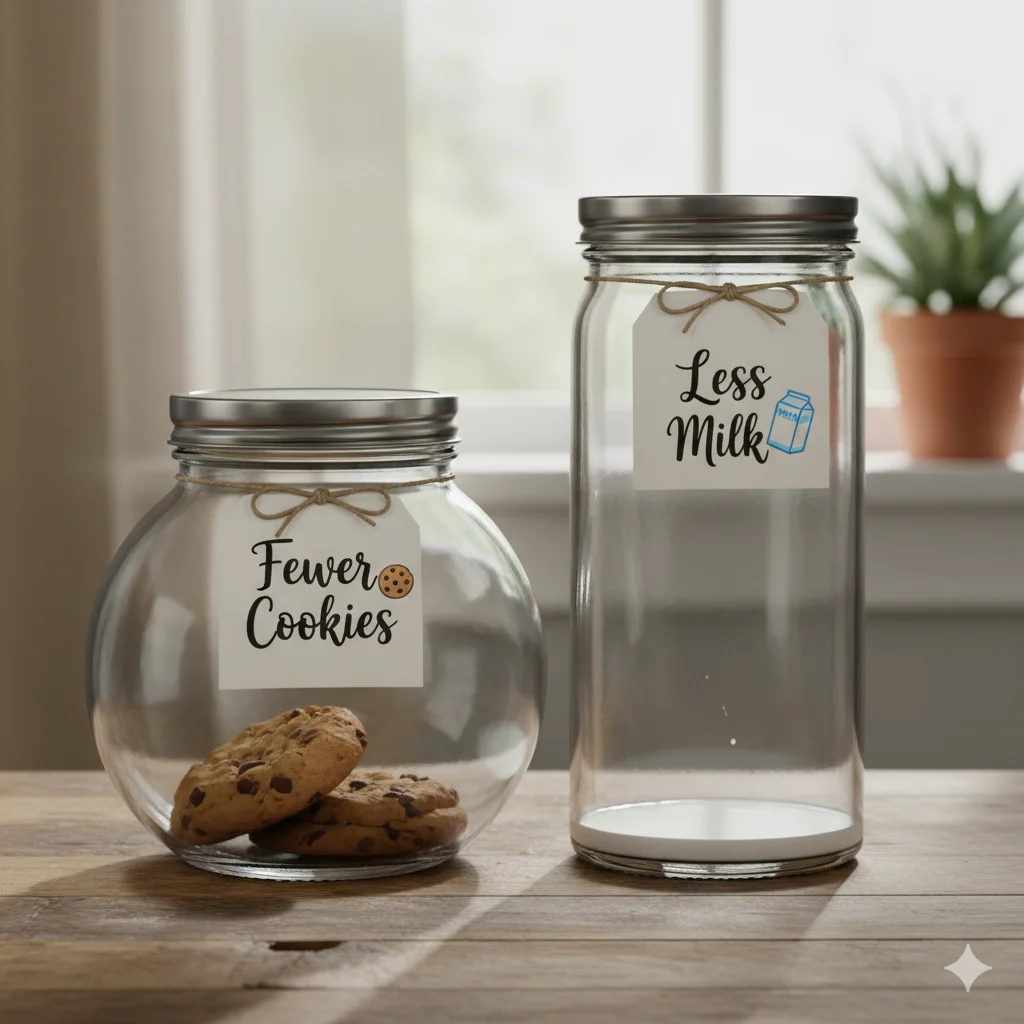
❌ Common Mistakes and How to Avoid Them
Many people mix these two up because they both describe “small amounts.”
Here are some common errors and how to fix them:
Mistake 1:
❌ There are less people in the park today.
✅ There are fewer people in the park today.
(You can count people, so use “fewer.”)
Mistake 2:
❌ I have fewer money than you.
✅ I have less money than you.
(Money is uncountable — you can count dollars, but not “money.”)
Mistake 3:
❌ We should waste fewer time.
✅ We should waste less time.
(Time cannot be counted, so use “less.”)
Tip:
If you can ask “How many?”, use fewer.
If you can ask “How much?”, use less.
🧩 When to Use “Fewer”
Use “fewer” for things you can count one by one — like people, cars, apples, or ideas.
Examples:
- There are fewer chairs in the room now.
- I received fewer emails this week.
- This road has fewer accidents each year.
- We had fewer students in class today.
- He made fewer mistakes in his essay.
Memory Hack:
👉 If there’s a number or plural noun (like books, students, or apples), use fewer.
🧠 When to Use “Less”
Use “less” when talking about uncountable things — liquids, emotions, time, money, or distance.
Examples:
- Please add less sugar to my coffee.
- She has less patience than her sister.
- We spent less time on homework today.
- There’s less noise in the library.
- I have less energy in the mornings.
Memory Hack:
👉 If you can’t count it, or it feels like a “mass” (like water or air), use less.
🧾 Quick Recap: Fewer vs Less
Here’s an easy way to remember everything:
- Fewer = countable → “How many?”
- Fewer apples, fewer books, fewer cars
- Less = uncountable → “How much?”
- Less water, less time, less sugar
In short:
“Fewer” = smaller number
“Less” = smaller amount
✍️ Advanced Tips for Learners
- In measurements and money:
We often use “less” even with numbers.
Example: “It costs less than 10 dollars.” (Not “fewer”) - In time and distance:
Use “less.”
Example: “The meeting took less than an hour.” - In casual speech:
Native speakers sometimes say “less” instead of “fewer.”
Example: “There were less people there.”
It’s common in everyday speech but still considered grammatically incorrect in formal writing.
Origin Note:
Both words come from Old English — “lǣssa” (less) and “fēawra” (fewer).
Their difference has existed for centuries, but modern use has blurred the line, especially in casual talk.
🧩 Mini Quiz: Test Yourself!
Fill in the blanks with fewer or less.
- I ate _______ cookies today.
- There is _______ water in the glass.
- She made _______ mistakes this time.
- We have _______ time to finish the project.
- He has _______ books than his brother.
(Answers: 1. fewer, 2. less, 3. fewer, 4. less, 5. fewer)
❓ FAQs
1. What’s the difference between “fewer” and “less”?
“Fewer” is used for things you can count. “Less” is used for things you can’t count.
2. Can I use “less” for time or money?
Yes! Even though they seem countable, English treats time and money as uncountable nouns — so use “less.”
3. Why do people say “less people”?
It’s common in casual speech, but “fewer people” is grammatically correct.
4. Is it ever okay to use “fewer” with uncountable nouns?
No. “Fewer” only works with things that have a plural form — like cars, apples, or students.
5. How can I remember the rule easily?
If you can count it, use “fewer.” If you can’t, use “less.” Simple!
🏁 Conclusion
Now you know the clear difference between “fewer” and “less.”
Remember:
- Fewer = things you can count (fewer cars, fewer pencils)
- Less = things you can’t count (less milk, less noise)
Next time you’re writing or speaking, you’ll use the right word — confidently and correctly! Keep practicing, and you’ll master English grammar one small step at a time. 🌟

Arwen Blythe is a passionate language and culture enthusiast, crafting clear, engaging guides on words, phrases, and modern English for Definevs.com readers.